Men I Trust – Equus Caballus
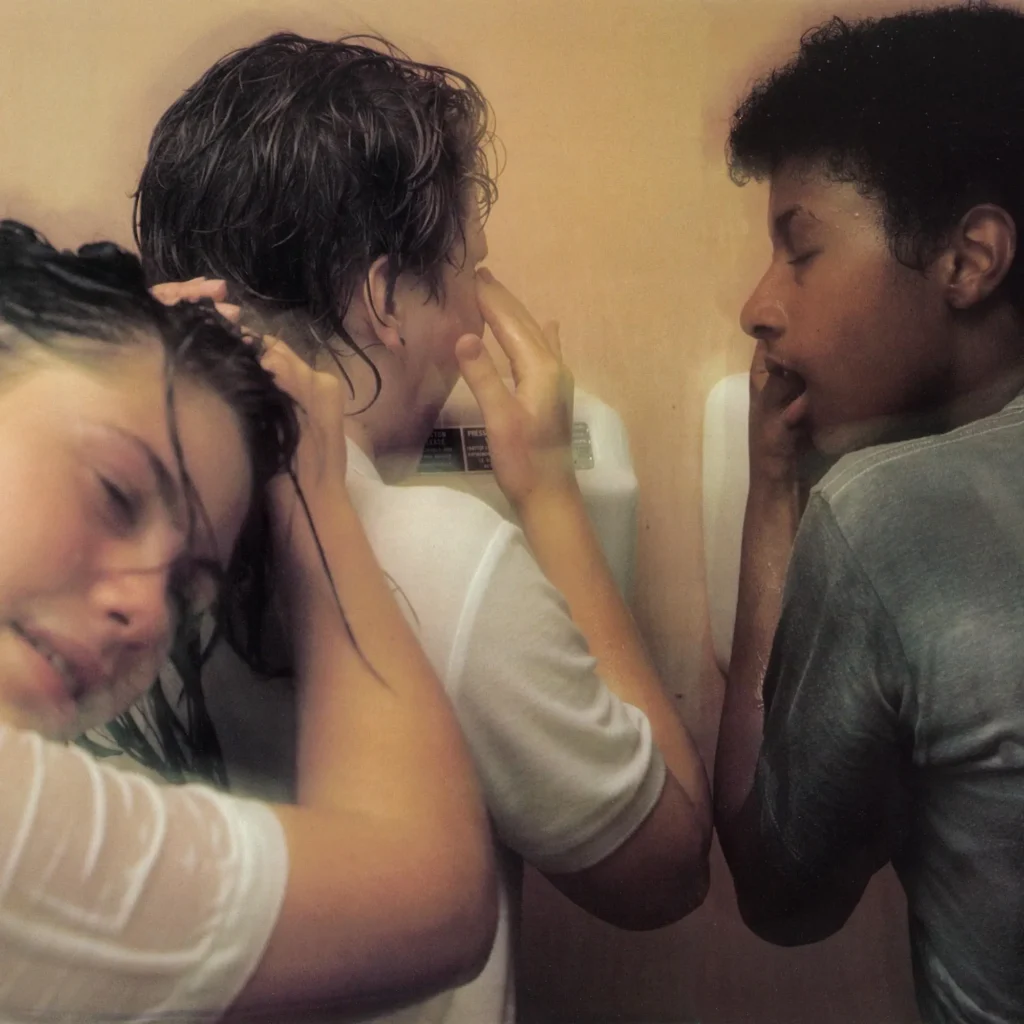
Release date: May 6th 2025
Label: Independant
Length: 41 minutes
Galloping dream-pop
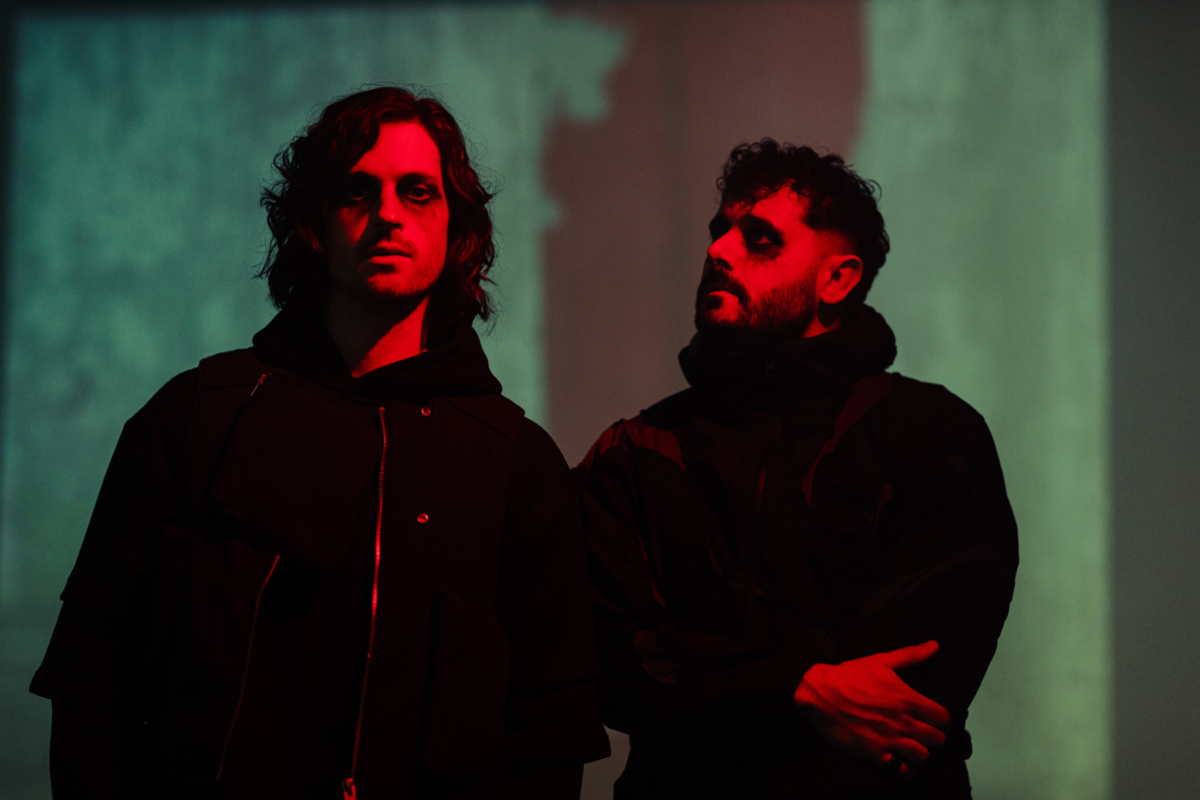
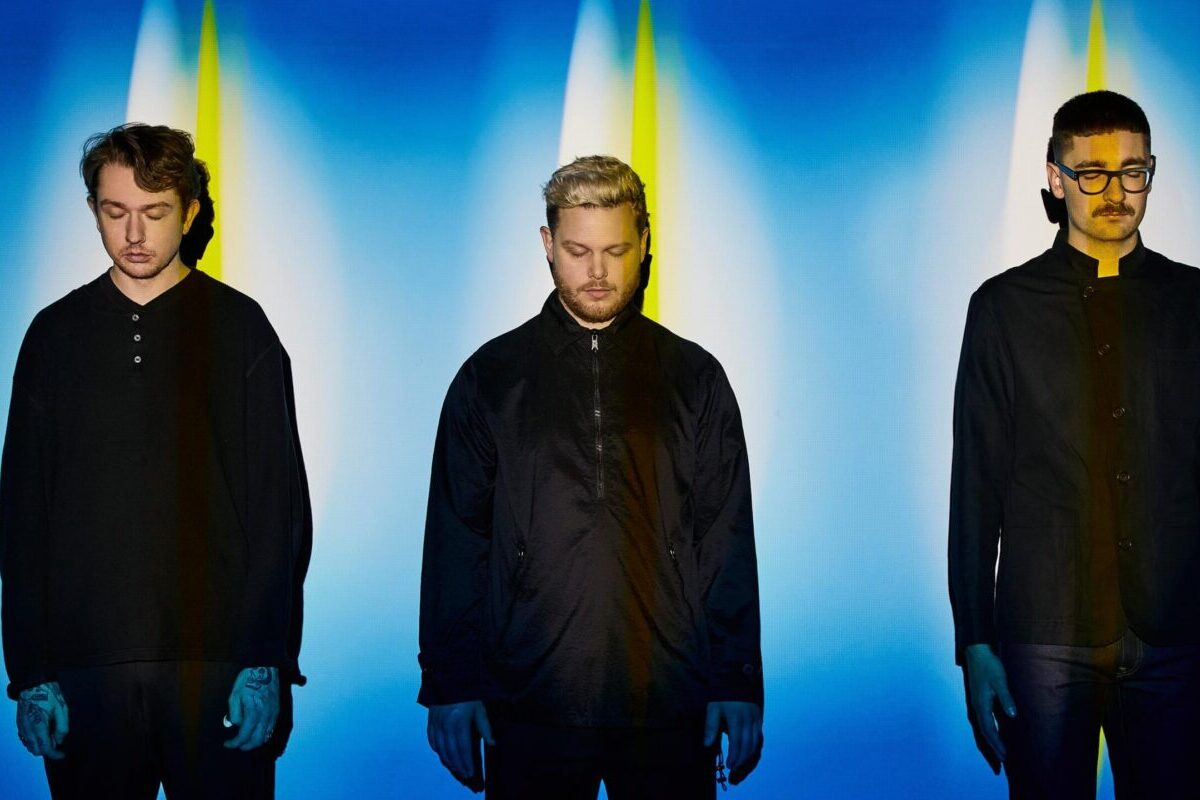
When Men I Trust announced Equus Caballus, the companion album to last year’s stripped‑down Equus Asinus, it signaled more than just a continuation of their prolific streak. It marked a deliberate two‑part statement from one of Canada’s most quietly influential indie acts. Over the past decade, the Montreal trio has built a global following not through viral moments or dramatic reinventions, but through consistency – touring relentlessly, self‑producing every release, and refining a sound that has become instantly recognizable: soft‑edged basslines, pastel synths, and Emmanuelle Proulx’s unmistakably weightless vocal presence.
Equus Caballus arrives as the more polished, full‑bodied half of the project, a record that leans into groove, clarity, and the band’s long‑standing fascination with understated pop architecture. Where Asinus favored acoustic intimacy and lo‑fi textures, Caballus moves with a steadier, more confident stride — its title nodding to the elegance and momentum of a horse in motion. The album’s 13 tracks showcase a band that has learned to stretch its minimalism without breaking it, expanding their palette while preserving the softness that has become their signature.
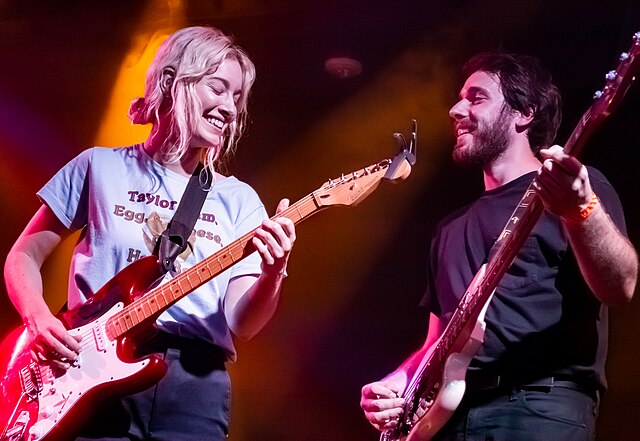
For Men I Trust, this release also lands at a moment of increased visibility. Their touring schedule has grown more ambitious, their streaming numbers continue to climb, and their influence can be heard across a new wave of bedroom‑pop and soft‑rock artists. Yet Equus Caballus doesn’t sound like a band chasing scale; it sounds like one doubling down on the quiet precision that brought them here. The production is cleaner, the songwriting more focused, and the emotional through‑line more cohesive than anything they’ve released since Oncle Jazz.
The album opens with “To Ease You”, a track that immediately establishes the record’s warm, soft‑focus aesthetic. Built on a steady mid‑tempo pulse and shimmering synth pads, the song feels like a gentle hand placed on the listener’s shoulder. Emmanuelle Proulx’s vocals — breathy, close‑mic’d, and almost lullaby‑like – float over a bed of pastel‑toned guitars and a subtly melodic bassline. The production leans into analog warmth, giving the track a nostalgic glow reminiscent of 1980s soft pop. Lyrically, it reads as a quiet reassurance, a promise of emotional steadiness in the face of internal turbulence. The song’s repeated mantra‑like lines (“You’ll be fine, fine, fine…”) reinforce its role as a soothing entry point into the album’s emotional landscape.
“Come Back Down” follows with a slightly more grounded tone – a certain tribute to Fleetwood Mac especially the bassline. The synths here are more vaporous, drifting like morning fog, while the guitars shimmer at the edges of the mix. The rhythm section is understated, giving the track a sense of suspended motion. Thematically, the song feels like a plea for recalibration — an invitation to return to emotional equilibrium after drifting too far into anxiety or abstraction. Proulx’s delivery is soft but firm, embodying the gentle tug back toward reality.
With “Hard To See”, the album turns inward. This track strips back the arrangement, relying on sparse percussion and delicate electronic textures to create a sense of quiet introspection. The bassline, though subtle, provides a melodic backbone that guides the listener through the song’s emotional haze. Proulx’s vocals are mixed intimately, as if whispered directly into the ear, reinforcing the song’s confessional tone. Thematically, it grapples with the difficulty of gaining clarity — moments when emotions blur and understanding feels just out of reach.
“Ring of Past” introduces a welcome burst of energy, driven by a buoyant, city‑pop‑inflected bassline that injects the album with a playful brightness. The synths take on a more neon‑lit quality, and the drums snap crisply, giving the track a lightly danceable groove. Despite its upbeat arrangement, the song’s lyrics circle around memory and the cyclical nature of emotional history. The contrast between the lively instrumentation and the introspective theme creates a compelling tension, making it one of the album’s standout moments.
Slowing the pace again, “Another Stone” offers a meditative interlude built on soft guitar lines and airy synths. The production is intentionally spacious, allowing each element to breathe. The title evokes the idea of emotional burdens—stones carried one by one—but the song’s gentle arrangement suggests acceptance rather than heaviness. It feels like a moment of quiet reflection, a pause to acknowledge the weight without being crushed by it.
“Husk” deepens the album’s introspective core with a slightly darker tonal palette. Warmer, rounder synths envelop the track, creating a cocoon‑like atmosphere. The bass is subdued but expressive, and Proulx’s vocals are layered to create a ghostly doubling effect. Thematically, the song explores the remnants of past selves — the emotional husks left behind after transformation or loss. It’s one of the album’s more haunting entries, lingering long after it ends.
“Carried Away” lifts the mood with a return to gentle motion. Liquid guitar lines glide across soft electronic textures, and the rhythm — though subtle — gives the track a floating sensation. The production leans into the band’s signature weightlessness, creating a dreamy, drifting soundscape. Lyrically, the song captures the feeling of being swept up — by emotion, by memory, or by another person. It’s romantic, but tinged with a quiet melancholy.
As one of the album’s most contemplative tracks, “Where I Sit” is built on minimalist synth patterns and delicate, pointillistic guitar work. The mix is intentionally sparse, emphasizing space and stillness. The song feels like a moment of self‑inventory, a quiet assessment of one’s emotional position. Proulx’s vocals are soft but steady, embodying a sense of calm observation.
“In My Years” marks a shift toward greater intensity in the album’s second half. The guitars become more prominent, introducing an indie‑rock edge, while the drums gain punch and forward momentum. The synths recede slightly, serving more as color than foundation. The song reflects on accumulated experience — the sediment of years lived and lessons learned. It’s reflective but energized, suggesting growth more than regret.
The record also includes a re‑mixed version of the band’s 2022 single “Billy Toppy”. It stands as the album’s most kinetic moment. Angular basslines and jittery rhythms give the track a nervy, electric energy. The synths are sharper here, more neon than pastel, and Proulx’s vocals ride the groove with cool precision. The song hints at tension, release, and the thrill of unpredictability. Its placement in the tracklist injects a jolt of adrenaline into the album’s otherwise gentle flow.
“The Better Half” softens the mood, offering a warm, romantic counterpoint to the intensity of “Billie Toppy”. The production centers on glowing synth pads and gently shimmering guitars, while the rhythm section remains understated. The song explores partnership — how two people complement and complete each other, not through grand gestures but through quiet, consistent presence. It’s tender without being saccharine.
After each soft moment follows a more energic one. Indeed, “Worn Down” reintroduces urgency with its slightly gritty guitar textures and more assertive drumming. The synths take a back seat, giving the track a more organic, indie‑rock feel. It grapples with fatigue — emotional, relational, or existential — but the arrangement suggests resilience rather than defeat. It’s a song about being tired, but not giving up.
The album closes with “Eris (Wait)”, a brief but evocative piece named after the Greek goddess of discord. Ambient synths create a drifting, cosmic mood, and the rhythm is minimal to the point of near‑absence. Proulx’s vocals dissolve into the mix, becoming another texture rather than a focal point. The track feels like an unresolved emotional chord with lingering questions. It’s a fitting end to an album that thrives on subtlety, nuance, and emotional ambiguity.
The take away
Across its 41‑minute runtime, Equus Caballus demonstrates Men I Trust’s mastery of atmosphere, restraint, and emotional clarity. The album’s production is lush but never overwhelming, its songwriting introspective without becoming opaque. It is a record that invites repeated listening, each spin revealing new layers of texture and meaning. In pairing it with Equus Asinus, the band offers a dual portrait of emotional life — one grounded, one elevated. Equus Caballus is the latter: a graceful, steady gallop through the quiet complexities of the heart.
Standing out
– Ring of Past
– In My Years
– Worn Down