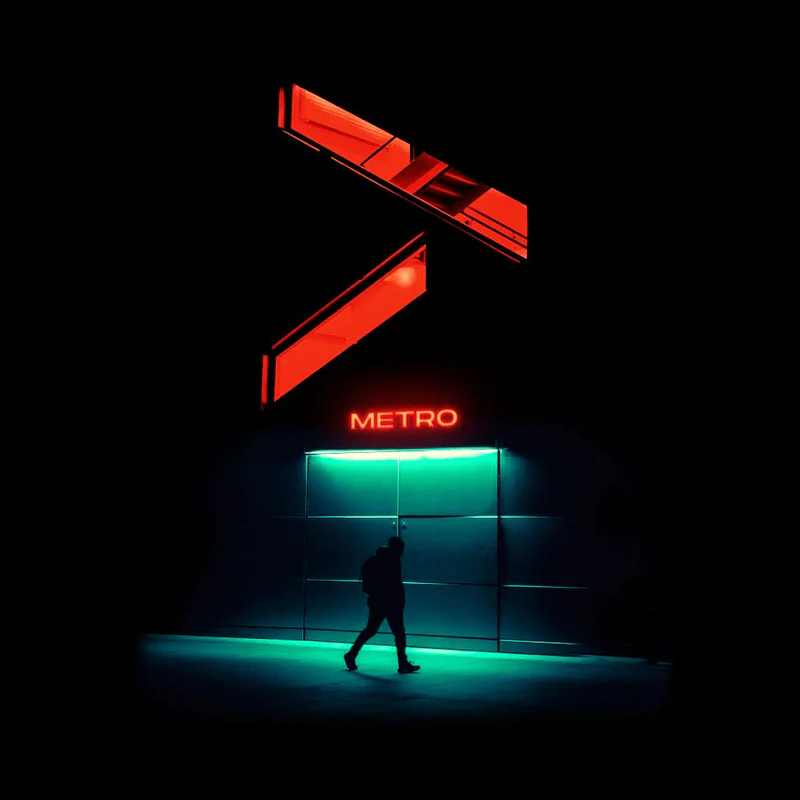
The Blue Stones – Metro
Release date: March 28th 2025
Label: New Weapon Records (CA)
Length: 41 minutes
Full speed ahead!
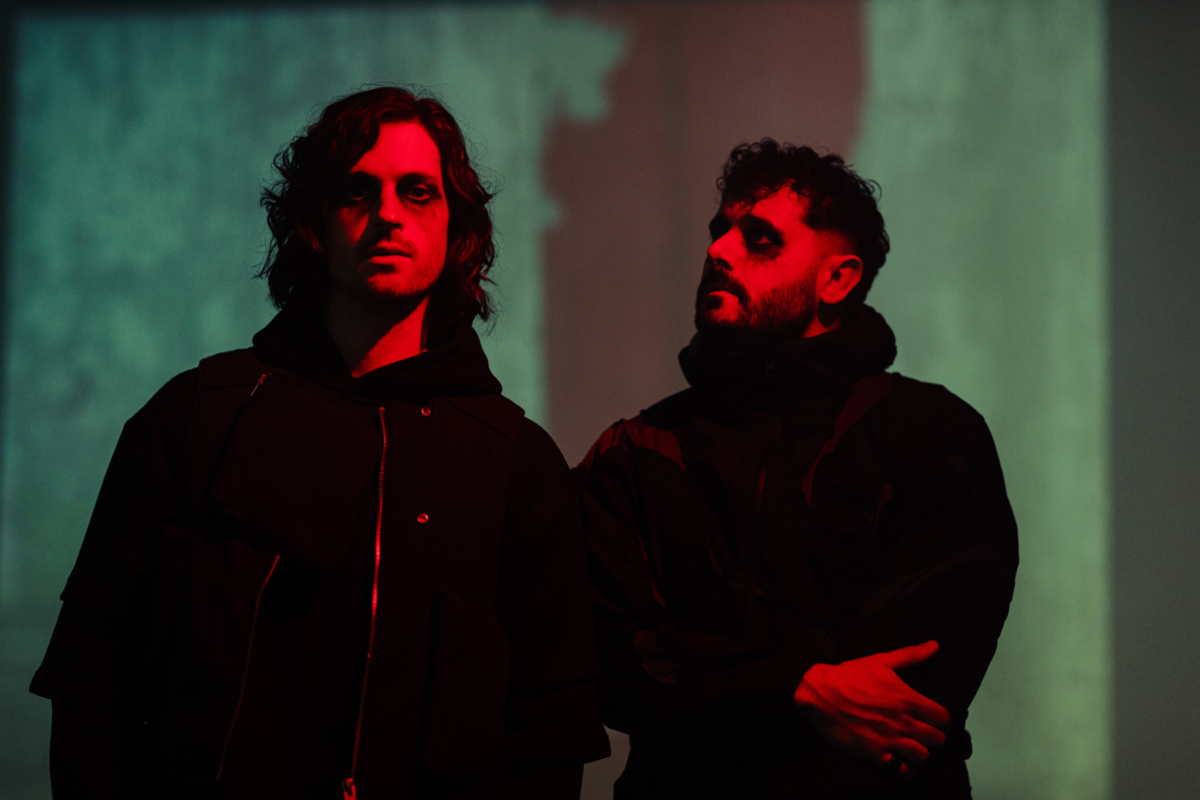
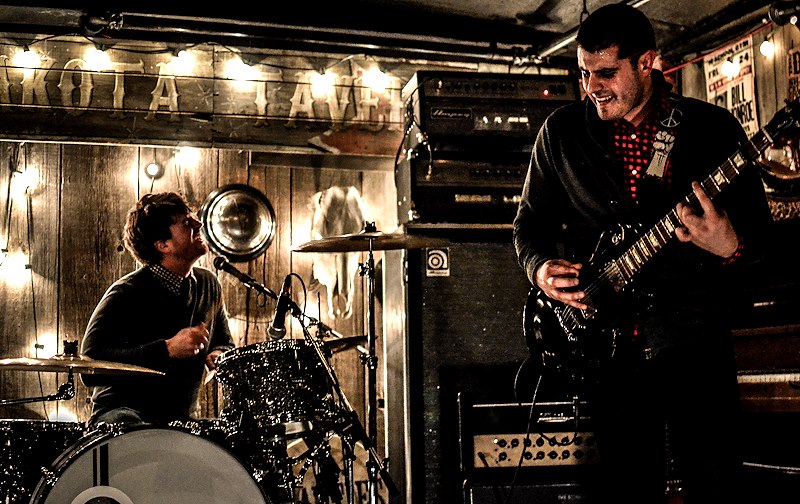
The Blue Stones’ fourth album, Metro, feels like a record built around motion — metal-on-metal friction, fluorescent light, and the uneasy hum of a city that never really sleeps. Framed as a metaphorical subway ride through identity, pressure, and rebellion, the album uses its 16 tracks like stops on a line: some fleeting, some explosive, some strangely liminal. The dynamic duo consisting of Tarek Jafar (vocals, guitar, bass keys) and Justin Tessier (percussions, backing vocals) is mid way between the Blues-Rock sound of The Black Keys and the Stoner dirty tones of Royal Blood. The band delivers a great performance with stimulating tracks and punchy ideas.
Working again with producer Paul Meany, the Canadian duo push their blues‑rock core into a heavier, more cinematic space—baritone guitars, sampled soul textures, and hip‑hop‑adjacent grooves all threaded through their familiar guitar‑and‑drums skeleton.
Conceptually, Metro is built like a transit journey: Short interludes as stations or announcements are brief, scene‑setting pieces for mood, and texture that reset the emotional frame between the “full” songs used as narrative chapters. The longer tracks carry the emotional and musical weight, each one feeling like a different carriage, crowd, or internal monologue. This structure gives the album a strong sense of continuity; you don’t just move from song to song, you move forward.
Very brief but necessary, “Metro 47” is less a song than a cold opener. The tannoy‑style voice, ambient noise, and ominous harmonic bed drop us straight into the underground world the album inhabits. It’s the sound of doors sliding shut and the realization that we are committed to the ride.
The first full song hits with baritone heft and swagger. With “Your Master” the riff is thick and percussive, almost stomping, while the drums keep a tight, head‑nod groove. Lyrically, it plays with themes of control and submission — who’s pulling the strings, and what it costs to break free. The chorus is big but not over‑decorated, it’s the weight of the riff and vocal conviction that sells it.
Next, “Scared of the Dark” leans into nocturnal, anxiety‑tinted alt‑rock. The verses are more spacious, with guitars pulling back into atmospheric textures and the drums leaving room for the vocal to breathe. The chorus opens up harmonically, giving the sense of someone trying to push through fear. Arrangement‑wise, it’s a classic tension‑and‑release build.
One of the album’s most immediate tracks, “Come Apart”, let Jafar’s guitar shine, deceptively simple but incredibly effective. He uses space as much as sound: syncopated riffs in the verses create tension whereas wide‑open chords in the chorus give the song its emotional lift. Tone is classic Blue Stones: gritty but polished, The bridge pulls the energy back just enough to make the final chorus hit harder.
At just over half a minute, “You’re New” functions is one of the record’s interludes used to transition toward some more agressive tracks. “New Immigrant” is a good example as one of the record’s most politically and emotionally charged moments. The groove leans into hip‑hop and modern alt‑rock, with a beat that feels loop‑like and a bass line that carries as much weight as the guitar. Lyrically, it grapples with displacement, identity, and the tension between belonging and otherness. The arrangement keeps things tight and focused, letting the vocal narrative sit front and center.
Built around a nervy, propulsive rhythm, “Don’t Feel Right” captures that low‑grade unease of moving through a world that’s slightly off‑kilter. The guitar alternates between muted, rhythmic chugs in the verses and more open chords in the chorus. The hook is less about a big melodic leap and more about repetition and phrasing. Short and chopped notes are adding at this feeling of dryness and rough claim.
“Happy Cry” is the album’s emotional release valve and more easy-listening. It stretches out more than many of the other tracks, giving space for dynamic swells and a more expansive vocal performance. The arrangement blends blues‑rock grit with a kind of soulful uplift; the chorus feels cathartic. The drums build gradually, and the guitar tone gets warmer and more expressive as the song progresses.
Another short interlude, “Mind the Gap” is all about tension and warning. It’s a quick, eerie breath before the album plunges into one of its longest and most narrative‑driven tracks: “Jesse James“. At over five minutes, this track is Metro’s mini‑epic. The band stretches out structurally with longer instrumental sections and more pronounced dynamic arcs. The guitar work here is particularly expressive, moving from tight riffs to more lyrical leads, while the drums shift between restrained groove and full‑throttle drive.
“Kill Box” is one of the album’s most aggressive and experimental cuts. The beat hits hard, with a punchy, almost trap‑influenced low end, while the guitar slices through with baritone crunch. There’s a claustrophobic quality to the mix—appropriate for a song whose title evokes confinement and danger. Vocally, Jafar leans into a more rhythmic, almost rap‑adjacent delivery in places, blurring genre lines without losing the rock core.
After “Transfer Now”, another transit vignette suggesting a forced choice to change direction, “Lose My Name” let the band digs into identity erosion and reinvention. The verses feel introspective, with more restrained instrumentation and a focus on vocal nuance. The chorus, by contrast, is bigger and more defiant almost anthemic. Arrangement‑wise, the song balances modern alt‑rock tones with the duo’s bluesy DNA.
“Hazy” leans into dreamier, more atmospheric territory. The guitar tones are softer, drenched in reverb – almost indie-rock – and the drums sit a little deeper in the pocket. It’s less about big hooks and more about vibe, giving the album a moment of suspension. While the track is very pleasant to listen to, the contrast with the rest of the album is a bit too abrupt. We can expect a more positive, uplifting ending but which is here arriving too suddenly.
The last interlude, “Sully Station” connects with “Falling Leaves” for the album closure with a slow‑burn dynamic and cinematic note. Longer than five minutes, it mirrors “Jesse James” in scope but trades outlaw swagger for reflective melancholy. The arrangement builds patiently: sparse beginnings, gradually thickening guitars, and drums that grow from gentle pulse to full, crashing waves. It feels like stepping off the train and realizing the world outside has changed — or maybe wehave. It is a powerful, lingering final image.
The take away
Metro is The Blue Stones at their most conceptually cohesive and sonically adventurous. The subway metaphor isn’t just a framing device; it’s baked into the pacing, the interludes, and the emotional arc. The duo manage to expand their sound — heavier guitars, hip‑hop‑leaning grooves, cinematic interludes — without losing the tight chemistry that defines them.
By the time the dust settles, Metro feels like a record built on motion — emotional, rhythmic, and narrative. The Blue Stones push themselves into bigger spaces without losing the sharp, two‑man chemistry that defines them. It’s a journey that starts in tension and ends in full stride, proving the duo can expand their world without diluting their identity. In the end, Metro isn’t just a step forward — it’s a statement of intent.
Standing out
– New Immigrant
– Don’t Feel Right
– Lose My Name