Inner Wave – See You When I Get Back
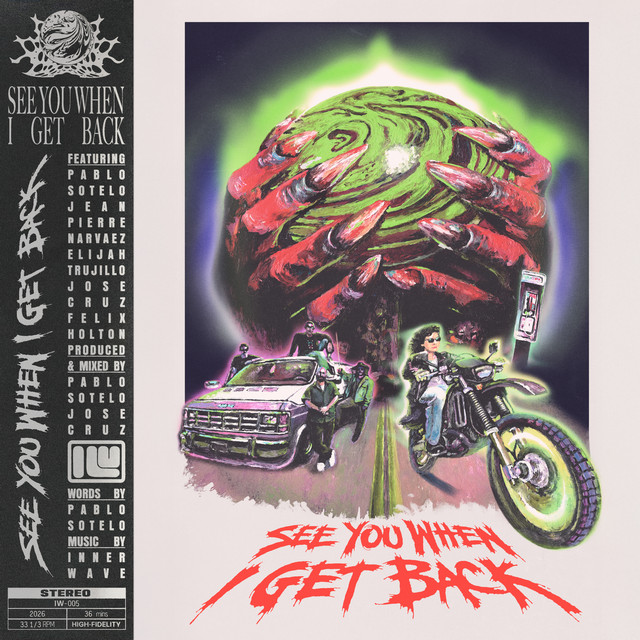
Release date: February 27th 2026
Label: Nettwerk Music Group (CA)
Length: 36 minutes
The Sound of Distance, Growth, and Coming Back
After a five-year hiatus from full-length releases, Inner Wave return with See You When I Get Back, an album that feels like a confident recalibration. Long admired for their dreamy blend of indie rock, psychedelia, and bedroom-pop textures, the Los Angeles outfit has distilled its sound into a collection of concise, vibrant songs that prioritize melody and momentum without sacrificing emotional depth. Across its brisk runtime, the record captures the uncertainty of change, the pull of nostalgia, and the comfort of familiar connections, all wrapped in warm production and irresistibly catchy hooks. While it may be their most accessible release to date, See You When I Get Back proves that simplicity can be just as compelling as experimentation, marking a welcome return from a band that sounds more focused than ever.
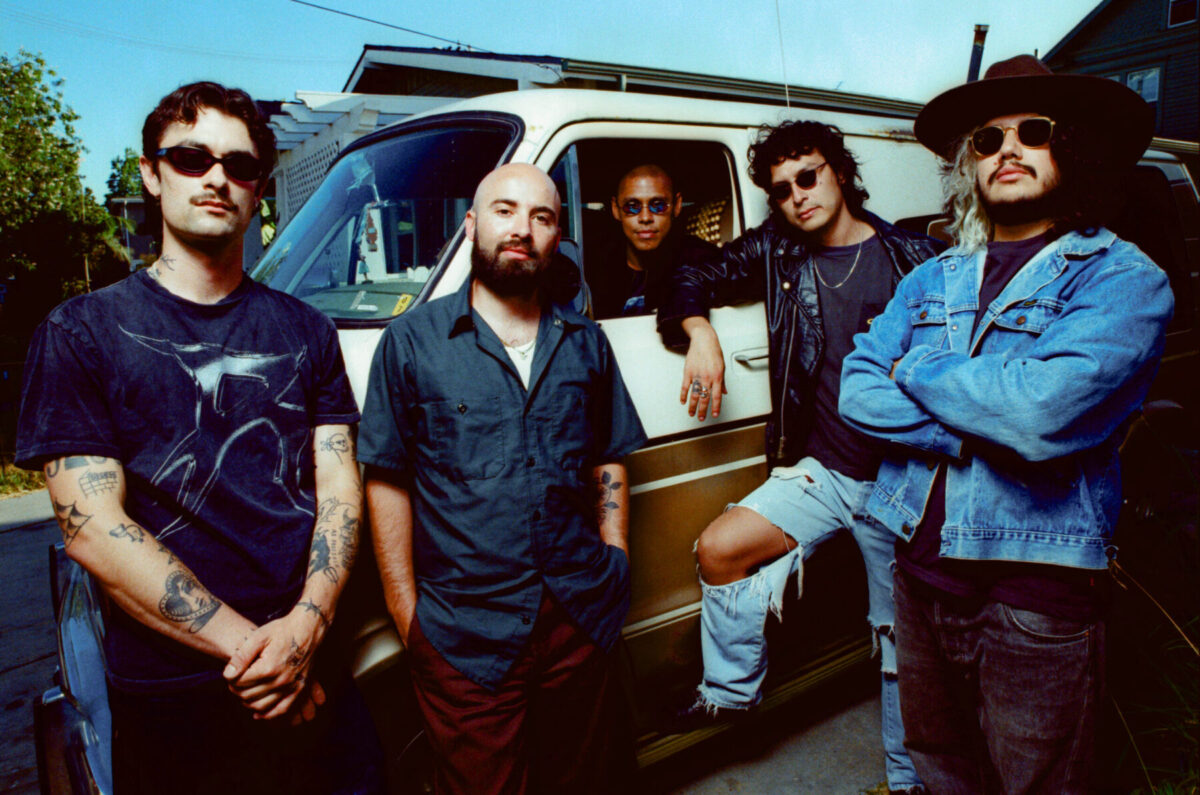
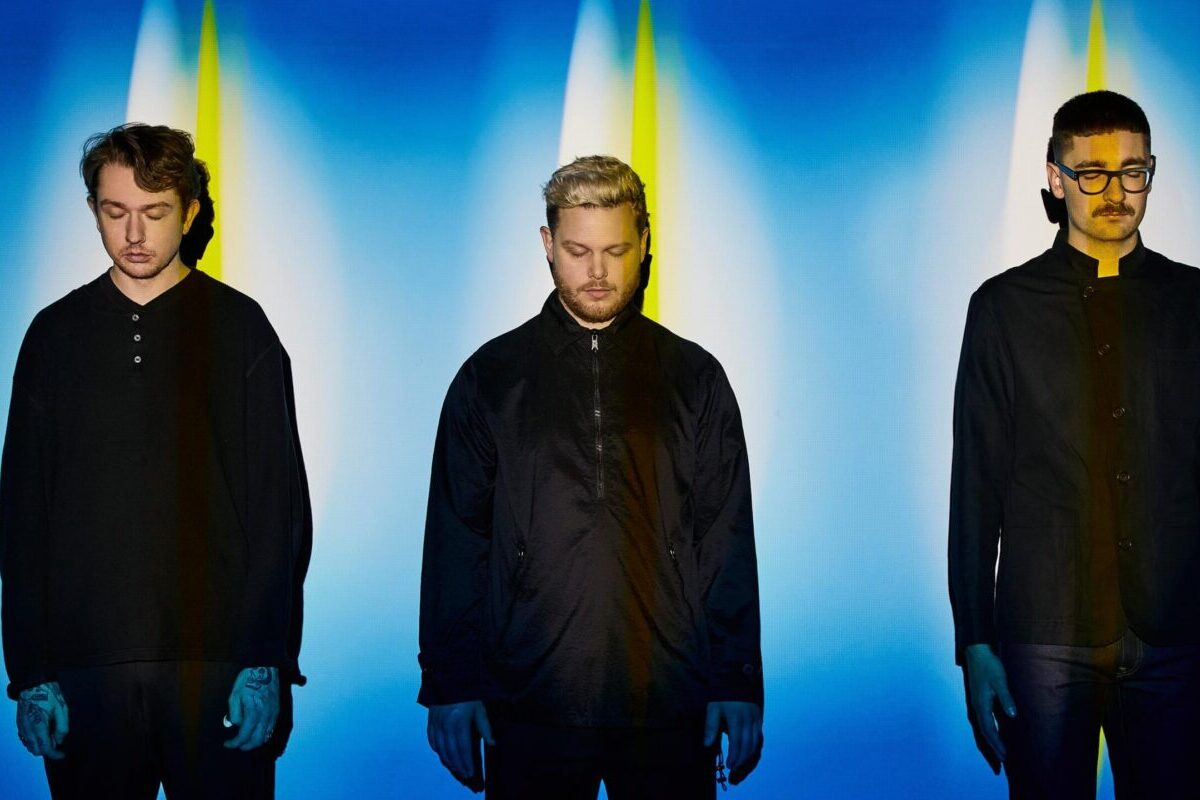
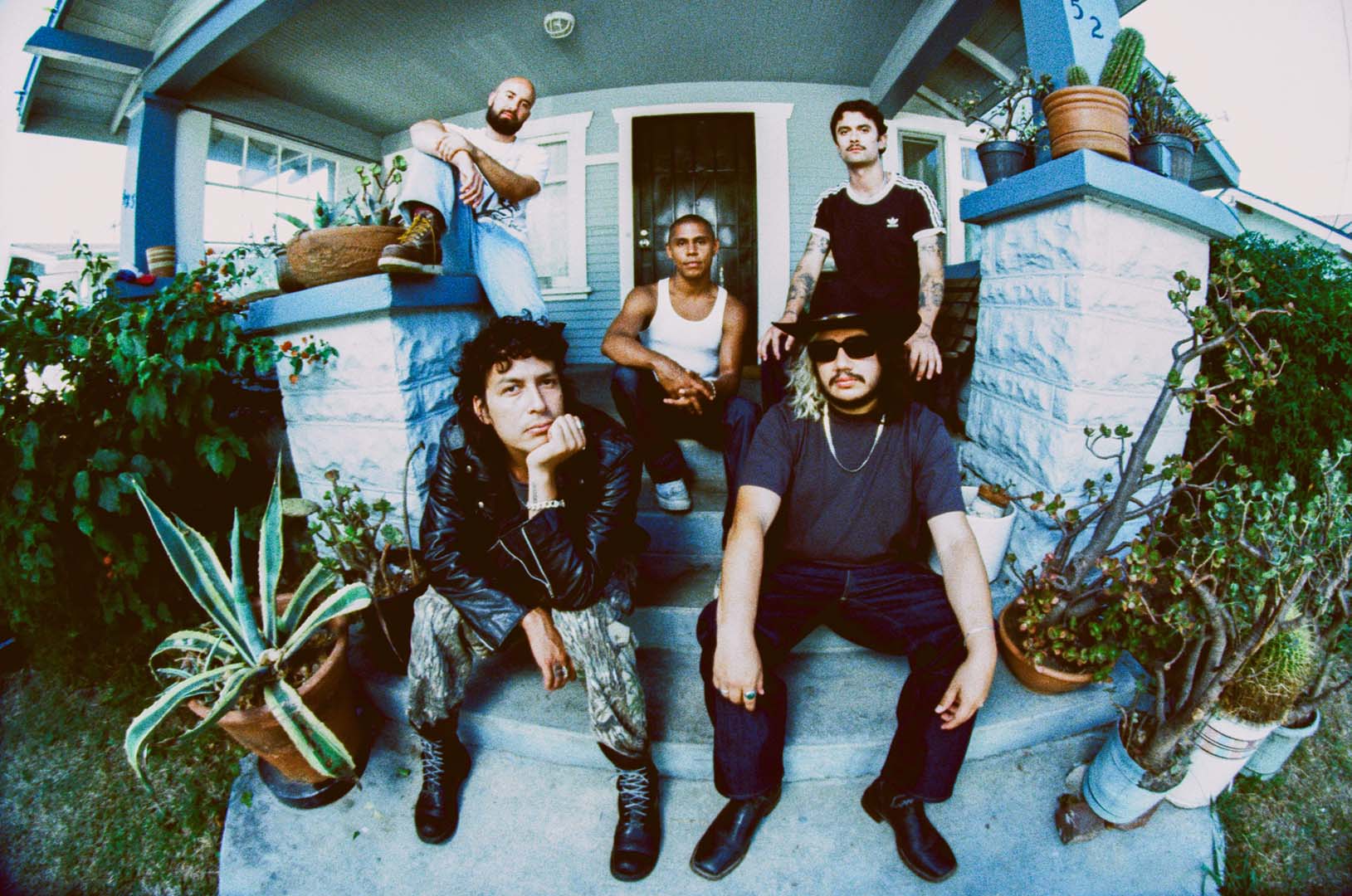
The LA initial trio — Pablo Sotelo (Lead vocals, guitar), Jean-Pierre Narvaez (Bass, vocals), and Elijah Trujillo (Guitar, keyboards) — are now joined by Luis Portillo (Drums) and Jose Cruz (Keyboards). They develop a time‑hopping blend of neo‑psych, early‑2010s indie, and classic new‑wave/garage rock, while lyrically circling sobriety, loss, distance, and the weird hope that survives all of that. The record is warmer and more guitar‑forward than some of their earlier, more synth‑washed work, but it still carries that dreamy Inner Wave DNA.
Let’s have a closer look !
“Madre” opens the album like a memory surfacing mid‑drive. The production is intimate and slightly hazy: close‑mic’d vocals, a gentle rhythmic pulse, and synth pads that feel like they’re breathing in the background. The mix leaves a lot of air, which suits the song’s reflective tone. Lyrically, it reads like a reckoning with the past — finishing “tasks,” replaying old scenes, and realizing that what’s left is the memory itself. The repetition of having “All I have” turns from resignation into a kind of fragile gratitude. As an opener, it sets the emotional stakes: this is an album about looking back without getting stuck there.
With “Sweet”, the record really starts to move. The track leans into a driving indie‑rock groove — think tight drums, melodic bass, and guitars that shimmer. There’s a subtle push‑and‑pull between the rhythmic urgency and the dreamy vocal delivery, which keeps it from ever feeling like straightforward rock. Thematically, “Sweet” is about distance and delay: having “a ways to go,” not knowing when you’ll be home, wondering if things will ever feel “alright.” The hook circles around the idea that life should be sweet, but rarely is. It’s a road‑song for people who are emotionally jet‑lagged — restless, hopeful, and a little exhausted.
“Child” pulls the tempo back and leans into Inner Wave’s more psychedelic side – With notes of Tame Impala, Pond. The production is built on a woozy groove: slightly detuned synths, echo‑kissed guitars, and a bassline wandering through the room. The drums are understated but precise, giving the song a slow, head‑nod momentum. About forgetting and remembering, the track explores themes such as losing track of your past while still being haunted by it. The repeated “You belong to me” lines is not about a possessive person but more like someone clinging to a version of themselves or another person they’re afraid to lose. It’s one of the more emotionally ambiguous cuts on the record, and the production leans into that ambiguity beautifully.
With “Push”, a subtle dance between indie rock and synth‑pop—hooks everywhere, but still a bit of grit. The production is punchier here: sharper drums, more upfront guitars for one of the album’s most immediate songs. The lyrics orbit around effort and emotional labor: going out of your way, waiting on someone, trying not to be deceived. It’s the sound of someone trying to push a relationship — or themselves — over an invisible line. At just over a minute, “Pull” plays like an interlude, and a counterpart after “Push“. The production is more textural and funky: maybe a looped motif, ambient synths, and a sense of suspension rather than progression. It’s the emotional undertow of the record leadind the way from a more psych approach to a groovy next track.
The next song is playful on the surface, funkier but still carries the album’s introspective core. For “Big Foot“, the production leans into a slightly off‑kilter groove—syncopated drums, a bassline that feels almost cartoonishly bouncy, and guitars that flicker in and out like quick thoughts. Sublimed by shimmering synths, the track bring the album to a new dimenson.
“Far Away” is one of the emotional anchors of the album. The production is lush: layered guitars, wide synths, and a rhythm section that feels steady but not rigid. There’s a sense of motion, like driving at night with the windows cracked and the heater on. The song is again about distance in every sense — geographical, emotional, temporal. The lyrics sit in a space where you’re close enough to remember everything vividly but too far to change any of it. The chorus feels like a quiet plea across a long stretch of time, and the arrangement – running bass, picked guitars, floating synths – gives it room to resonate.
The following track, “If You Like” brings a slightly more flirtatious energy back into the tracklist. Production‑wise, the short song is tight and hooky: crisp drums, a bassline that carries a lot of melodic weight, and synths that sparkle around the edges. “Only For Your Eyes” feels like a late‑night confessional. The production is more intimate again: distorded but clear guitar hooks, a slightly darker synth palette, and vocals that sit closer to the listener. The mix feels narrower, like the song is happening in a smaller room. The lyrics suggest secrecy and vulnerability — things said or shown that are meant for one person only.
“Wolfie” plays with tension: sharper guitar stabs, a more insistent rhythm, and synths that feel slightly more angular. There’s a hint of post‑punk energy in the way everything locks together. “Same Is The Change” is one of the most thematically on‑the‑nose titles here, and it works. The production leans into a big, almost anthemic indie‑rock feel: wide guitars with the chorus tones from Ratatat, a strong backbeat, and a chorus that feels built to lift a crowd. The song wrestles with the paradox of doubting about someone’s feeling, that everything changes, while being still able to fully dedicate ourself to the same person.
“Highways” is the road‑movie moment of the album, calm and nostalgic. The production is expansive: driving drums, a bassline that feels like a steady engine, and guitars that stretch out like long stretches of asphalt. There’s a sense of forward motion baked into every part of the arrangement. A certain lo-fi “old” aesthetic is present with very subtle tremolo on guitars, raw drums and areal synths anchoring the track with more dreamy and psych-rock textures.
To close the album, “All Of The Things” is more reflective, summative note. The production feels like a gentle culmination of the record’s sonic palette: a bit of the neo‑psych haze, the indie‑rock backbone, and the synth‑driven atmosphere all coexisting. The song is a catalog of what’s been carried — memories, regrets, hopes, small moments that ended up mattering more than expected. As a closer, it feels more like an ellipsis: “See you when I get back, whenever and whoever that is”.
The take away
After five years away from full-length releases, Inner Wave return with See You When I Get Back, an album that feels like a creative reset. Rather than leaning further into the dreamy neo-psychedelia that defined much of their earlier work, the Los Angeles band embraces immediacy, building a concise 36-minute record around bright melodies, kinetic rhythms and tightly constructed songs. Many tracks clock in under three minutes, giving the album a restless momentum.
What makes the record stand out is its balance between upbeat musicality and underlying emotional uncertainty. Across songs like “Sweet”, “Far Away”, “Only For Your Eyes” and “Same Is the Change” themes of distance, nostalgia, personal growth and fragile relationships emerge repeatedly, but delivered through infectious hooks rather than melancholy introspection. The result is an album that feels light on its feet without being emotionally shallow. The songwriting is streamlined, favoring memorable choruses and energetic arrangements over sprawling psych-rock excursions. According to the band, the record was partly inspired by recognizing how audiences responded most strongly to their more upbeat material, a decision that translates into some of the most immediate and accessible songs of their career.
Production also plays a key role in the album’s appeal. Recorded with a blend of analog tape techniques and layered instrumentation, the record retains the warm, slightly hazy character associated with Inner Wave while sounding sharper and more confident than before. The dense guitar and synth textures add depth without overwhelming the melodies, giving the album a polished yet organic feel.
Ultimately, See You When I Get Back succeeds because it distills everything that has made Inner Wave compelling over the years into their most direct and enjoyable package. It may not be their most experimental work, but it is arguably their most consistent — an album that trades complexity for clarity and emerges as one of the band’s strongest and most welcoming releases to date.
Standing out
– Child
– Same Is The Change
– All Of The Things