Alt-J – An Awesome Wave
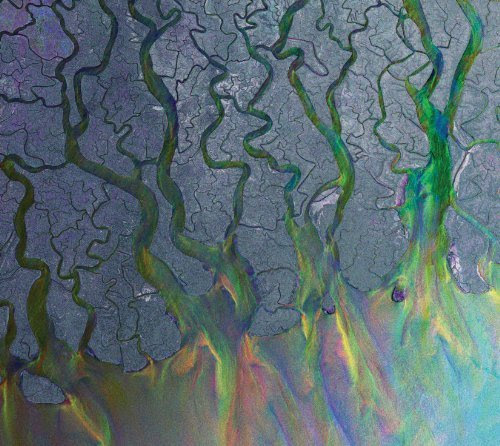
Release date: May 25th 2012
Label: Infectious Music (UK)
Length: 48 minutes
How Alt-J redefined indie music in the 2010’s
Alt‑J began at Leeds University in 2007, a setting that shaped their sensibilities as much as any musical influence. Joe Newman (vocals/guitar), Gus Unger‑Hamilton (keys), Gwil Sainsbury (guitar/bass), and Thom Green (drums) were students of art and literature, and their early songwriting sessions took place in cramped dorm rooms where noise restrictions forced them to play quietly. That constraint became a defining feature of their sound: hushed vocals, delicate guitar lines, and rhythms that felt more like coded messages than traditional beats.
Their influences were eclectic—folk, trip‑hop, minimalism, film scores—and their approach was almost academic. They weren’t trying to sound like anyone else; they were trying to build something that made sense only to them. Producer Charlie Andrew recognized the potential in their odd, skeletal demos. Instead of pushing them toward a more conventional indie sound, he leaned into their eccentricities.
The result was an album that feels meticulously engineered yet emotionally intuitive.

The opening track, soberly titled “Intro” starts with minimal piano and ambient strings that establish the album’s atmospheric tone. It uses layered textures and a measured build-up before vocals enter, making the soundscape feel open and slightly surreal. More than a traditional intro, it feels like a thematic overture — a slow drift into the emotional and musical landscape of the record. Its atmosphere invites listeners into an unpredictable journey.
The next track “The Ripe & Ruin” is a brief, mostly a cappella interlude focused on harmonized and spatialized vocals with little else, functioning like a mystic chant into modern indie production. This song is an intimate moment that draws attention to vocal interplay and layers before the fuller band returns.
“Tessellate” is driven by syncope percussion, repeating piano motifs, acoustic guitar, and glitched synth textures. It’s a great example of the band’s ability to meld organic instruments with electronic flourishes in a cohesive way. The production is crisp but not sterile. Lyrically playful but dark, the song is a fragmented portrayal of desire, substances, and social awkwardness. The lyrics are mirroring the “tessellated” structure: small pieces forming a bigger emotional picture without directly referring to sex.
“Breezeblocks” tells the story of a desperate man’s attempts to win over his love’s affections again. Ostensibly a love song with a twisted edge, it plays with obsession, attachment, and desperation. Lines borrowed from Where the Wild Things Are (“Please don’t go / I’ll eat you whole”) make it both playful and unsettling. Textured percussion built from unconventional elements (toy piano, metallic hits) and chanted vocal refrains make this one of the most immediately memorable and catchy tracks.
Second interlude, “Guitar” is a short solo that strips back everything but delicate acoustic picking and environmental sounds. It acts as a breather, an exhale. Its simplicity contrasts sharply with what comes before and after. As a contrast, “Something Good” mixes up-tempo piano, acoustic guitar and hand percussions giving a folk feel. The song structure is much more classical whereas the phrasing still unusual. Optimistic and slightly hedonistic, the song seems to reflect on forgetting past heartbreak and embracing the moment. Its title and chorus feel almost encouraging in their simplicity, balancing heavier themes elsewhere.
“Dissolve Me” juxtaposes jaunty rhythms and shimmering synths with distinct dynamic shifts and sections which rise and fall, creating tension and release. The track alternates between chaos and serenity, much like an emotional wave – crashing, dissolving, and receding. The title may be a reference to drug use, but also a continuation of the themes already presented on the album such as unpredictable and passionate love.
Relatively sparse and melodic, “Matilda” leans on gentle guitar and softer production, allowing vocal harmonies to take center stage and leading to one of the band greatest successes. Inspired by the movie Leon: The Professional – and echoing a former released song entitled “Leon” by the band – it reflects themes of attachment, sacrifice, and unconventional bonds. Its warm musical tone belies darker lyrical undertones from the film’s narrative.
“Ms” features echoing vocals and minimal instrumentation with sparse touches from bass and percussion, making it one of the more contemplative songs on the album. The song feels like a quiet, introspective intermission — almost like a breath between two fuller pieces. Its calm spaces are as significant as the notes played.
In contrast, “Fitzpleasure” combines thumping bass, experimental rhythms, crunchy textures, and layered vocals. It’s one of the grittier and more rhythmically charged tracks. Intensity is more present on this song, being playful yet raw, showcasing the band’s knack for tension in arrangement and storytelling.
“Interlude 3 (❦ Piano)” contains short piano motif grounding the final portion of the album and transitionning to “Bloodflood” which captures the sensation of fear rising like a tide. It’s from this track that the album takes its title. The phrase “an awesome wave” becomes a metaphor for the record itself — a feeling of being overtaken by emotion, circumstance, and the sheer force of experience. The track builds patiently, layering tension until it finally breaks open in a wash of synths and harmonies.
“Taro” is the cinematic closer, and arguably the album’s masterpiece. Inspired by war photographers Robert Capa and Gerda Taro, the song blends historical tragedy with lush, uplifting instrumentation. Starting with swirling strings and rhythmic accents, the track then blends exotic and world-music influences with indie pop sensibilities. The final minutes feel like a sunrise — warm, expansive, and emotionally overwhelming. It’s the perfect ending: a release after the album’s tension, a moment of clarity after all the cryptic fragments. The finale includes “Hand-Made” – a hidden track – that emerges after silence on some editions.
The take away
When An Awesome Wave arrived, critics weren’t quite sure what to make of it. Some praised its originality; others found it overly mannered or cryptic. But the album’s uniqueness was undeniable of great quality winning Mercury Prize in 2012.
Today, the album is widely regarded as a landmark in experimental indie music. Its blend of folk, electronica, and art‑pop has inspired a generation of artists who see genre as a building block rather than a boundary. The band also inovated by using unexpected instruments (toy piano, glitchy percussion) and sonic textures that feel both organic and synthetic. Many tracks juxtapose minimal interludes with richly layered songs, creating a wave-like flow of energy. Joe Newman’s lyrics draw on literature, film, and visceral personal imagery (Maurice Sendak, Leon, war photography), blending emotional nuance with esoteric references.
In an era when indie rock was drifting toward polished festival anthems, alt‑J delivered something unapologetically odd. Their debut didn’t chase trends; it created its own ecosystem. It’s an album that feels both meticulously crafted and emotionally raw, cerebral yet deeply human.
Standing out
– Intro
– Tessellate
– Something Good
– Taro