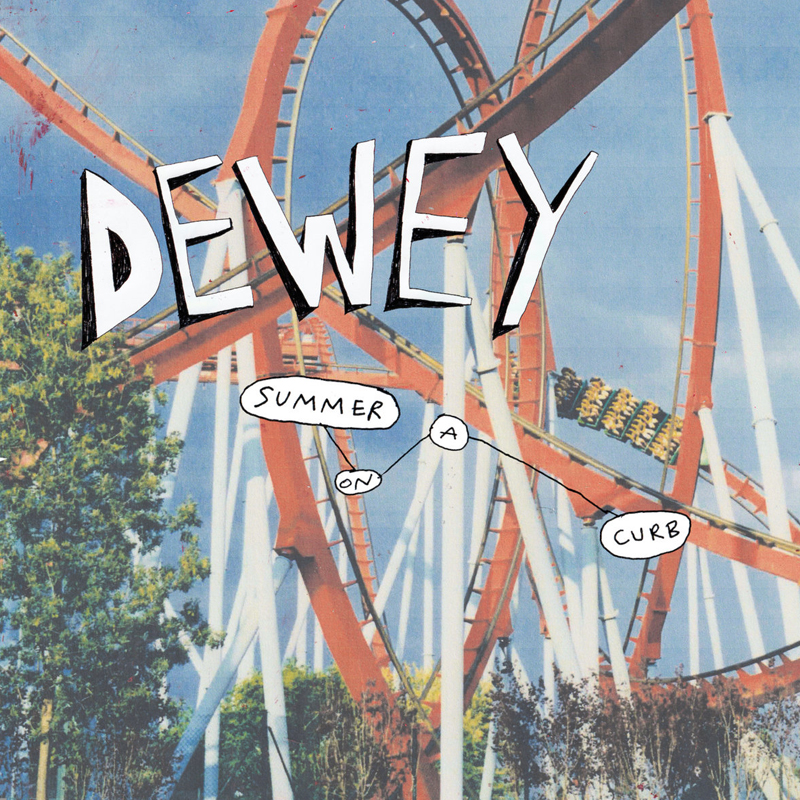
Dewey – Summer On A Curb
Release date: 13/02/2026
Label: Howlin’ Banana
Length: 34 minutes
The new French shoegaze scene
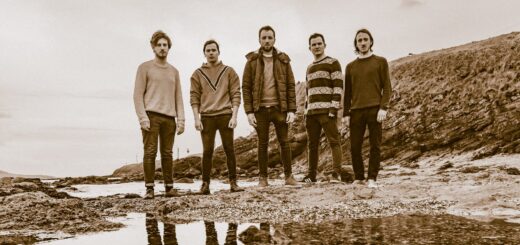
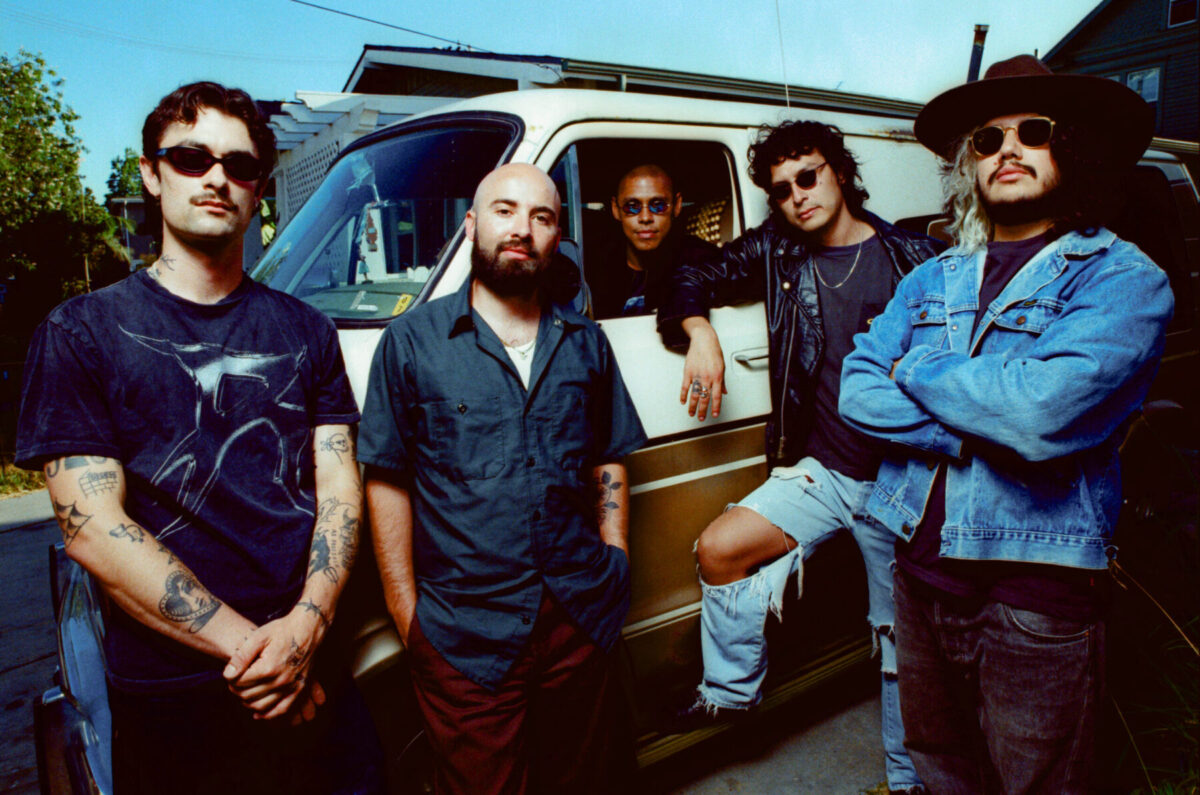
Dewey is a French indie rock band from Paris crafting hazy, melodic songs that balance dreamy textures with a raw, emotional edge. Formed by a group of longtime friends with a shared love for guitar-driven music, the band blends the shimmering atmospheres of shoegaze with the immediacy of alternative pop, creating a sound that feels both nostalgic and refreshingly contemporary. Their music is built around layered guitars, soft yet expressive vocals, and understated hooks that unfold slowly, revealing warmth and vulnerability beneath a wall of sound.
Drawing inspiration from the introspective spirit of bands like My Bloody Valentine, Dewey navigates the space between dreamy distortion and direct songwriting. Rather than chasing polish, Dewey embraces a slightly rough, lived-in aesthetic, allowing imperfections and texture to shape the emotional core of their music.
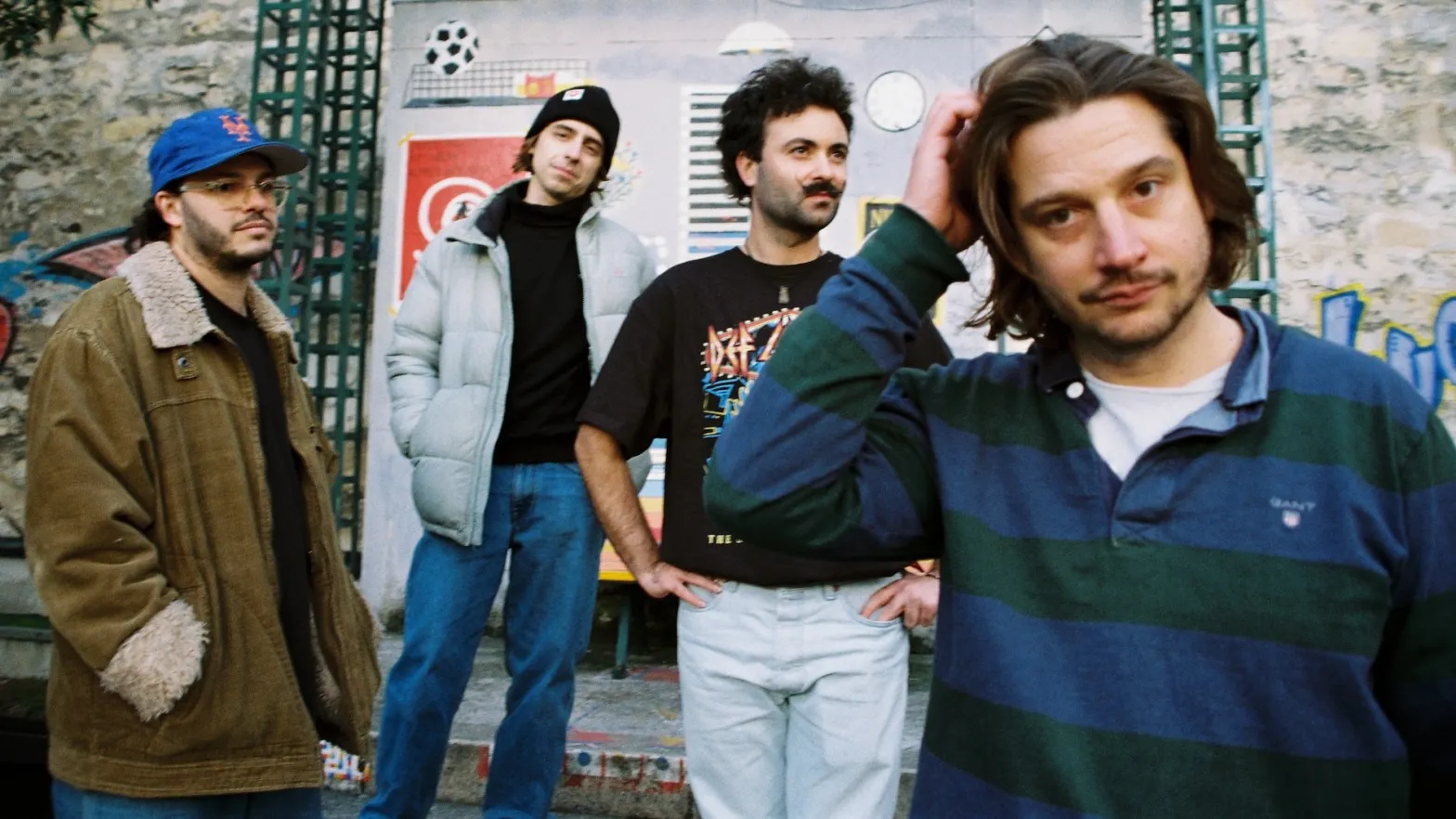
In February 2026, Dewey released their debut album, Summer On A Curb, a self-produced record that captures the band’s DIY spirit and evolving identity. The album unfolds like a series of snapshots – moments of youth, drifting summer days, and quiet reflections on change and distance. Across its eleven tracks, shimmering guitars and blurred harmonies create a sonic landscape that feels both restless and comforting.
With “City Has Come To Crash”, Dewey proposes a wide opening, hazy guitar layers reminiscent of classic shoegaze, but with a tight pop structure. The drums are compressed and punchy, grounding the swirling guitars. Synth accents subtly thicken the chorus. The song portrays the city as emotionally collapsing, reflecting late-night introspection. The song captures the album’s recurring perspective: urban alienation mixed with nostalgic romanticism.
Next is “Outside The Lines”, which is more rhythmic and upbeat, with syncopated drums and layered vocal harmonies. The guitars alternate between clean jangles in the verses and saturated shoegaze walls in the chorus. The title suggests rejecting expectations or social rules. One of the album’s most anthemic tracks, balancing dreaminess with energy.
With “Role Model”, the band delivers a mid-tempo with a circular guitar riff anchoring the track. The mix pulls the vocals slightly back into the instrumentation, creating a dream-pop blur. Through the lyrics, the narrator seems skeptical about being someone others should admire.
“Jinx” is one of the more immediately catchy songs, driven by a melodic bassline. The guitars shimmer rather than roar, giving it a lighter indie-pop feel. The concept of a “jinx” suggests self-sabotage or repeating mistakes. A concise pop moment that breaks the album’s heavier atmosphere.
Dewey is leaning to a more textural track, filled with heavy guitars and shoegaze dynamic. Drifting synth pads dominates the mix of “Face Out”, the arrangement building gradually toward a dense final chorus. As a contrast, “Better Safe Than Sorry” is slower and darker, built around droning guitars and subdued percussion. The mix emphasizes atmosphere over melody capturing a feeling of emptiness or emotional numbness for an introspective moment.
On the other hand, the rhythm section of “Void” drives the next song with tight indie-rock urgency. The track is punchier and more direct than the surrounding tracks delivering one of the album’s most energetic and hook-driven songs.
The title track, “Summer On A Curb” is surprisingly stripped back compared with earlier tracks: the guitars are cleaner, letting the melody and vocal phrasing lead. The track suggests idle summer evenings spent sitting outside, reflecting on life where nostalgia mixes with a subtle sense of stagnation.
After this well-deserved rest, the album returns to fuller instrumentation with “Tough Crowd” and its big guitar swelling along with energetic drumming. The chorus uses stacked guitars for a wide stereo wall of sound and again an anthemic feeling.
Approaching the record end, “Yesterday After Dawn” develops a dreamy and expansive atmosphere with echoing guitars and softer percussion. The arrangement gradually opens, giving the track a surreal quality. Lyrics reflect time slipping away and memory blurring past and present. The band builds a transitional track that prepares the album’s emotional closing.
As the closing title, “Cardboard” completes the album and evokes fragility and temporary structures. The track builds around gentle guitar textures, ringing chords and a cleaner bass-line. The production feels slightly brighter than earlier songs for an overall positive feeling.
The take away
Summer On A Curb is the debut album from the Parisian indie band Dewey. The record features 11 self-produced tracks blending indie rock, shoegaze textures, and understated pop songwriting, largely written by singer and guitarist Matthieu Berton.
The album sits comfortably between dreamy shoegaze atmospheres and melodic indie pop. Fuzzy guitars and soft vocals dominate the sound, but the songs remain tightly structured around memorable hooks. The tracks often navigate between haze and clarity: guitars drift in layers while the melodies remain accessible and grounded.
Tracks like “City Has Come To Crash” and “Outside of the Lines” set the tone with warm, nostalgic textures and restrained vocals. The music evokes late-90s and early-2000s indie influences without sounding like a direct throwback.
One of the album’s strengths is its cohesive mood. The record flows naturally from track to track while its self-produced nature also gives it a live-in, human feel, avoiding over-polished production. However, the same subtlety that makes the album charming can also make it feel slightly understated. Some songs drift by without strongly distinguishing themselves and minoring the album impact.
Standing out
– Outside Of The Lines
– Role Model
– Better Safe Than Sorry
– Void