
Royel Otis – hickey
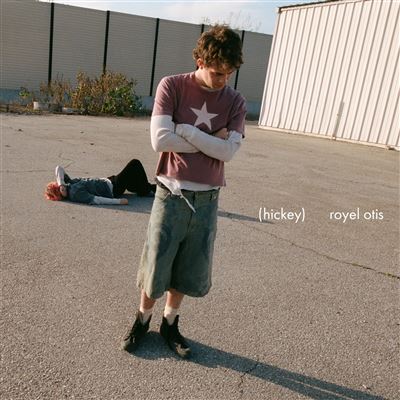
Release date: August 25th 2025
Label: Ourness (AU) / Capital Records (US)
Length: 38 minutes
7.5
(this is a review on royel otis’ hickey album)
Among the stand-out releases of the second half of 2025 sits hickey, the latest project from Royel Otis. As Europe slips from summer into cold grey skies, their new album brings a welcome breeze of freshness and softness to close out the year. Carefree innocence, melancholy, and love in all its nuanced shades— the duo explores the fragility of human relationships with sincerity and a refreshing sense of spontaneity.
Royel Otis is a Sydney-born indie-pop duo made up of Royel Maddell and Otis Pavlovic. Their influences run wide — from rock to new wave to the psychedelic Australian scene. Long-time acquaintances, they began collaborating in 2019, releasing a string of EPs culminating in the well-received Bar n Grill in August 2022, which featured the standout single “Oyster in My Pocket”.
In early 2024, the duo earned a Grammy nomination as “Artists to Watch,” and just a month later released their debut album Pratts & Pain. It was an instant success, topping the charts in Australia and steadily gaining international recognition. Their sophomore album, hickey, arrived on August 22, 2025, preceded by the singles “moody,” “car,” and “say something”. Once again, the project soared straight to the top of the Australian charts.

It’s time to dive into hickey and dissect the duo’s secret recipe for crafting a coherent, irresistibly effective, and remarkably consistent album.
A Tight, Hook-Packed Tracklist
The album unfolds over 13 tracks, each catchier than the last. Without overstaying their welcome, most songs clock in under the three-minute mark — a format perfectly suited for the streaming era.
The opener, “i hate this tune”, is immediately gripping: an upbeat rhythm paired with a soft, almost flat vocal delivery. The blend creates a wistful sense of melancholy—enhanced by the musical bridge around 2:30—evoking youthful naivety in the face of an inevitable breakup. The driving rhythm nods unmistakably to 80s new wave bands like The Cure.
The second track, “moody” — one of the lead singles — is a great success. It dives into the dynamics of a toxic relationship many listeners will recognize: the helplessness of being constantly criticized despite good intentions, and the slow slide into normalizing the situation. As the lyrics confess: “Questions are loaded, her face says a lot / She’s cryptically coded, when she’s home and I’m not / It’s just big emotions, it’s not jealousy / Most days of the week”. The doubled vocals in the chorus add a touch of defiance, as if addressing a crowd.
Jungle’s touch and emotional peaks
“good times” is the first of several collaborations with J. Lloyd of Jungle. His fingerprint is easy to spot: a stripped-down, almost a cappella intro, a groovier bass line, and a chorus bursting with layered vocals. The track is bright and shimmering, elevated by airy synths and light guitar textures. The vibrant energy of “good times” gives way to the tenderness of “torn jeans”, a track drenched in late-summer warmth and languid nights. Its chorus sticks instantly, carried by a warm, understated bassline that anchors the song without drawing attention to itself.
Track five, “come on home,” reunites the band with Josh Lloyd and Lydia Kitto from Jungle. It’s a heavier, more grounded cut: short, sharp lines explore being far from someone you love, far from home — paired with a loss of control over a relationship, and the desperate self-persuasion that the end isn’t real: “Thinking ’bout my mistakes / It’s not over, it’s not over […] Never thought I’d hear you say / It’s all over, it’s all over.”
With “who’s your boyfriend”, the duo leans back into rock territory with shades of The Killers: fast-paced, urgent, and fueled by jealousy and resentment barely masked.
The turning point: Breaking Away
Midway through the album, “car” marks a clear point of no return. The carefree energy of youth gives way to a heavier decision: breaking up. This time, the narrator initiates the split, torn between nostalgia and necessity: “You know I love the taste of your water / But I think it’s time we say goodbye”. A steady tempo and keyboard accents add weight, underscoring the emotional gravity.
With “shut up” the duo presents a dreamier, indie-leaning sound palette—soft synths and floating guitars. Then comes “dancing with myself”, another strong collaboration with the Jungle team. Its energetic bassline and swirling synths make it impossible to stay still, embodying the theme of letting go, regardless of how others — or ex-lovers — might judge. The group has openly described the track as a more dance-driven reinterpretation of Fleetwood Mac’s “Dreams“, and they absolutely deliver.
From darkness to renewal
The lightness cannot last, and “say something” brings back heavier emotions. The song lays bare inner doubts, misunderstandings, and the unsaid tensions that push people apart. The plea for clarity is central: “So what do you want from me? What do you need? / Can you say something? Say something”. The drum patterns pay a clear homage to a-ha’s “Take On Me” and the broader 80s pop canon.
Despite its title, “she’s got a gun” is surprisingly light and pop-leaning, offering a welcome breather. It marks the beginning of the album’s emotional ascent toward hope. “more to lose” fully embraces this optimistic turn—finding love again after the storm, ready to start anew: “If there’s a wild world where I’m living without you / I wanna stay where it’s you and me“.
Finally, the record closes with “jazz burger”, a breezy, uplifting track that leans into its own levity. The song flips the album’s premise on its head: if I leave, you’ll be the one chasing me. With hints of Cage The Elephant in its intro, and reportedly Otis Pavlovic’s favorite track, it brings the album to a gentle, shimmering close.
The take away
Ultimately, with hickey, Royel Otis deliver an intimate record — almost like the diary of a teenager learning, sometimes clumsily, to navigate life’s trials. It’s an album free of pretension, built on simple words and straightforward messages, yet it hits directly at the soul by tapping into universal emotions: doubt, longing, nostalgia, loneliness, and hope.
The duo offers a project with no missteps and no filler. Their collaborations — especially with Jungle’s Lloyd and Kitto — prove remarkably effective. The added touch of dance-leaning textures elevates Royel Otis’ indie-pop aesthetic and brings welcome nuance to their sound. Sure, the album could have pushed further lyrically or taken a few bolder risks, but the truth is undeniable: hickey is a small delight, a record to enjoy freely and without moderation.
Enjoy!
Standing out:
– i hate this tune
– car
– dancing with myself
– say something