Moon Panda – Dumb Luck
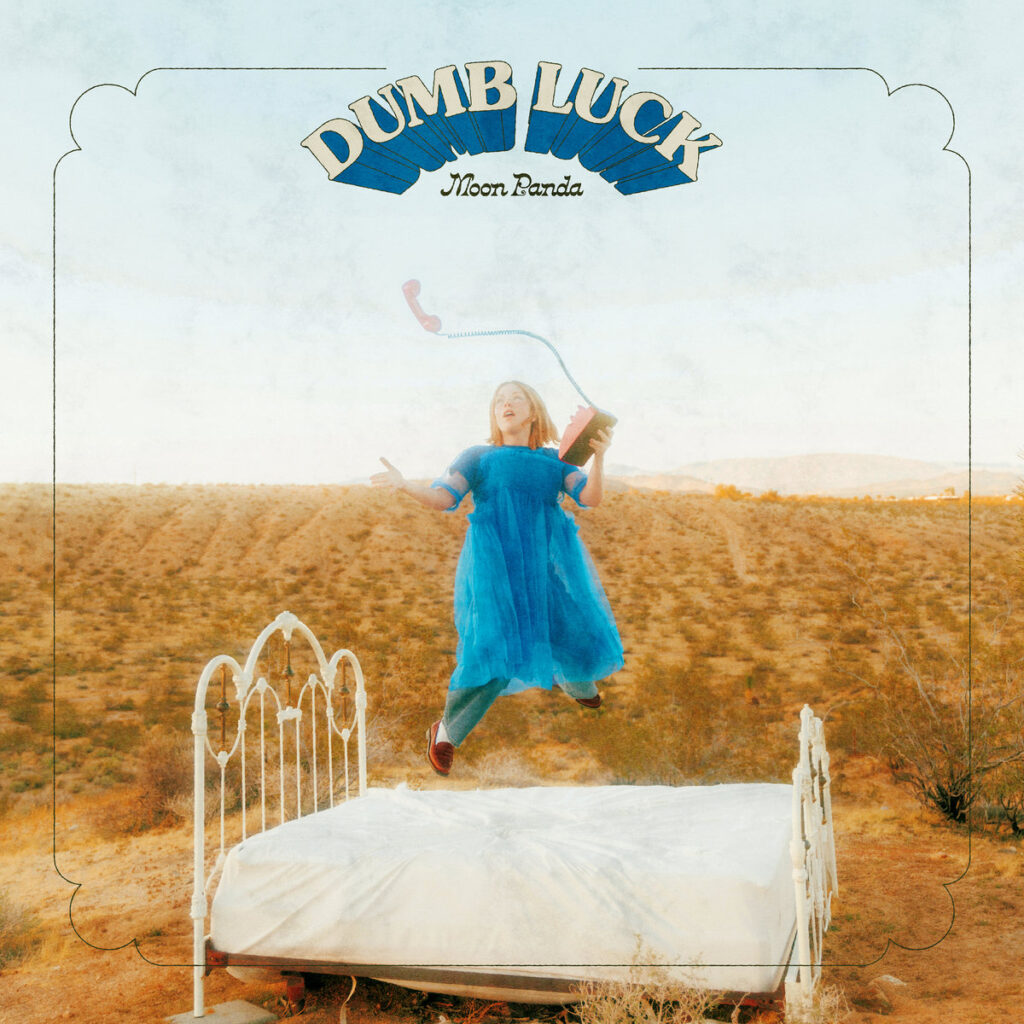
Release date: September 25th 2025
Label: Moon Panda
Length: 31 minutes
7.0
The Californian dream
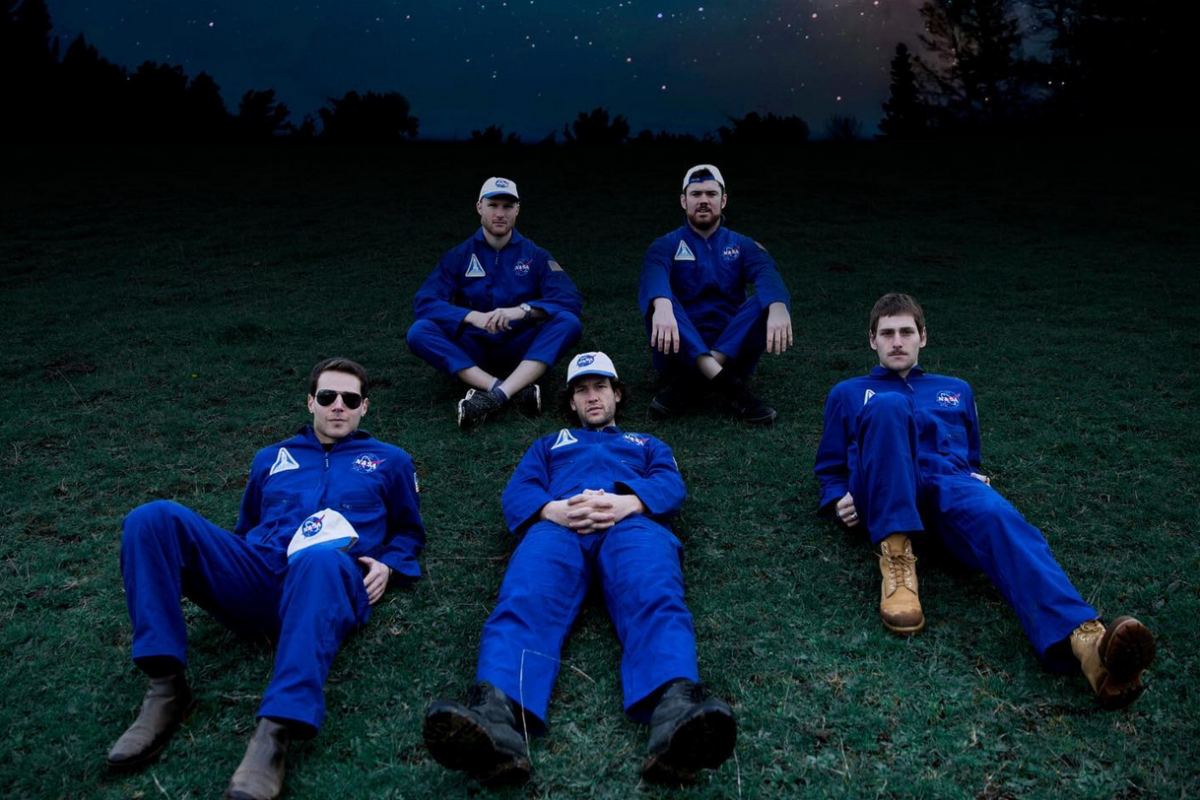
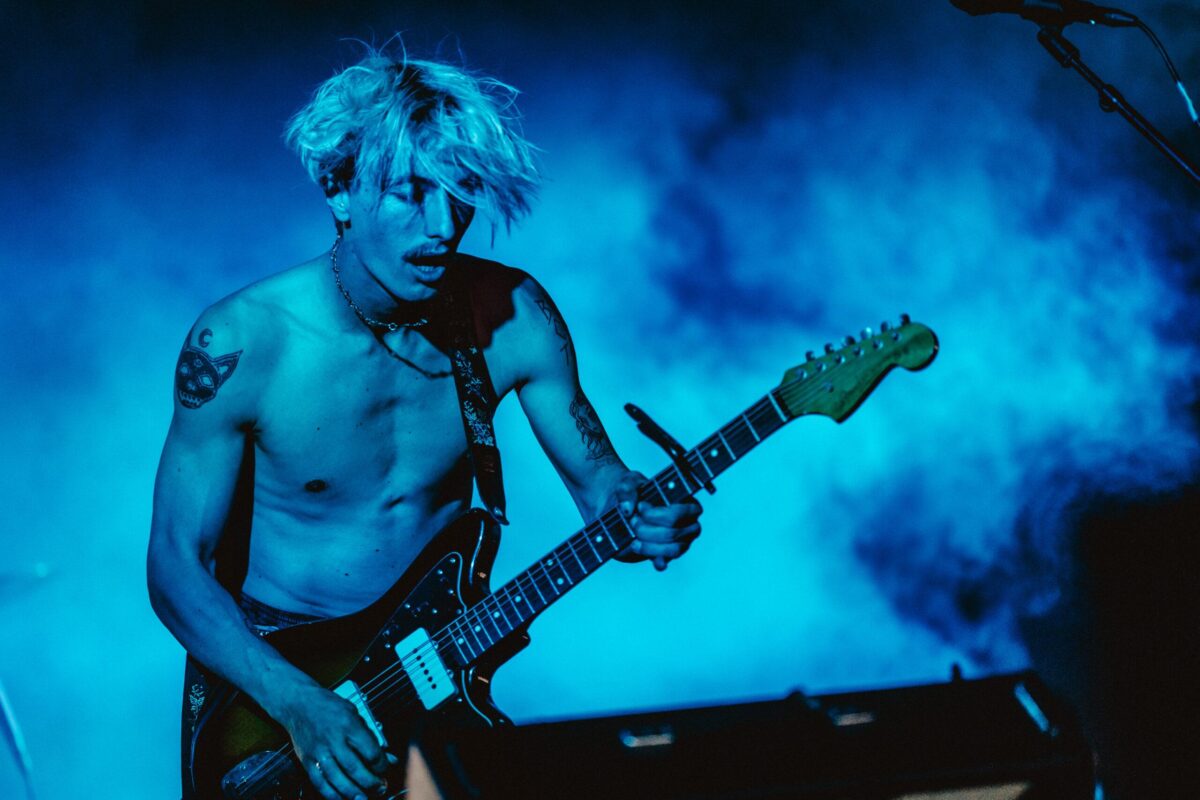
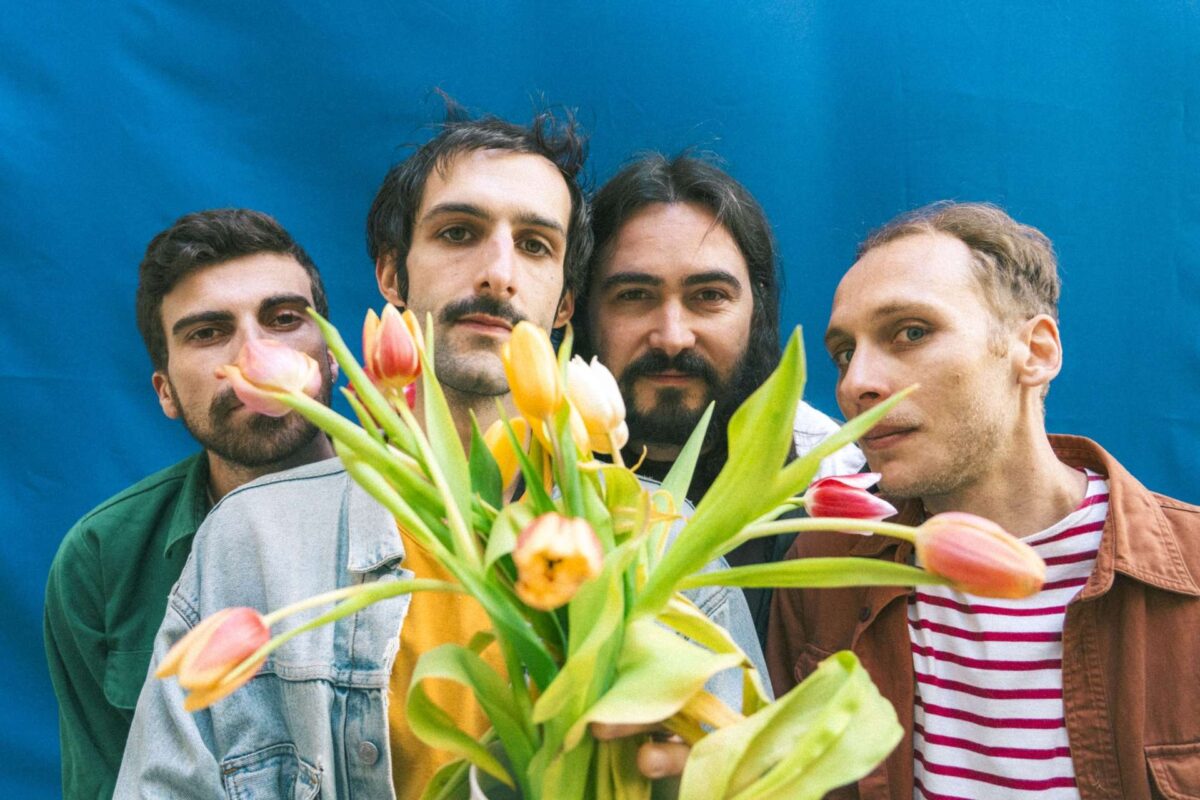
Moon Panda is a band formed by four musicians: Californian-born lead singer and bassist Maddy Myers, Danish guitarist Gustav Moltke, British keyboardist George Godwin and drummer Alfie Webber. Their music establishes hypnotic, ethereal and dreamlike harmonies.
The band’s third album Dumb Luck is a dreampop/indiepop record with richly textured soundscapes, emotional depth, and careful attention to collaborative detail, reflecting the band’s evolution in songwriting and sonic exploration. Recorded largely in their home studio and coproduced with Adam Thein (Djo), the record feels collaborative and organic, reflecting each member’s contributions in nuanced ways.
As an opener, “Lost World” uses airy synths, spacious guitar lines, and Maddy Myers’ delicate vocal delivery. The production leans into light, hazy textures that feel dreamy yet emotionally grounded — a blend of psychedelic ambience and indie accessibility. It’s an introspective track about identity shifting as relationships change when world collapses, conveying both fear and wonder.

Next track, “Penny”, is short and punchy. The arrangement combines shimmering dreampop guitar and the mix feels intimate yet vibrant. The song can even give some psych-rock vibes (Tame Impala, Melody’s Echo Chamber). The song is playful and sharp, with lyrics describing tension and attraction — an emotional push and pull.
Uplifting vibe and organic instrumentation are more present in the next title “Fantasy” giving a much warmer feeling. The lyrics flirting with escapism — envisioning freedom and shared experiences outside the constraints of routine: “I got this fantasy / You and me running free […] It doesn’t have to be a dream”.
Comfy and immersive “Butterknife” balances mellow grooves with shimmering guitars and soft percussion. The arrangement and overall feeling centered on vulnerability. Its lyrics explore insecurity and reassurance — the emotional risks of giving and receiving love. This song is one that stands out from the album.
Characterized by its gentle and contemplative touches, with light percussions and tight bass, “Avalanche” builds into a more dynamic, swirling sound. The track describes the way anxiety or introspection can suddenly take over.
“Space Elevator” is an hypnotic and more experimental track than the rest of the album. The song possesses synthled segments and a slightly futuristic vibe. It drifts between dreamy and kinetic, creating the sensation of floating or ascending. The song idea came from a very turbulent plane trip while touring that gave this feeling of transitional or suspended space to the band:
The song kind of collides with that experience and plays with the idea of being in a waiting room in the clouds. It feels chaotic and wistful and reflective.
With lyrics hinting at longing, desperation, and emotional chaos: “Tell me where your love has gone / What the hell you running from?”, “Superstore” explores micro- moments within relationships — the messy, intimate push for connection and comprehension. The album’s second single floats on layered synths, hypnotic rhythm, and lush guitar textures. The production balances warmth with a subtle tension.
“Automatic” captures the push–pull of anxiety and calm: the fluctuations between internal tension and moments of ease. The arrangement’s careful pacing reinforces that emotional backandforth with smooth and rounded sounds during the chorus opposed to the much brighter verses with guitars, bass and flute presence.
Deeply personal to Maddy Myers, “The Light” is inspired by motherhood and awe at life’s brightness. Lyrically and sonically, it’s the album’s emotional heart — expansive, warm, and luminous. The track stands out with a slower but still resonant feel. Organic instrumentation like Hammond organ, gentle percussion, and melodic vocals give it a timeless quality. Halfway of the song, the rhythm picks up speed as to show the breathtaking although sometimes devastating power of love.
To conclude the album, “Loveflow” is fitting closer with gentle waves of synth and melody, supported by rhythmic simplicity and soft harmonies. The production feels full yet unforced, like an evening breeze. The title and chorus emphasize openness and presence: letting love flow freely and fully. It’s reassuring, warm, and reflective — a satisfying thematic and sonic conclusion.
The take away
Dumb Luck is rooted in dream pop and indie pop, marked by lush, atmospheric textures, layered synths, and intimate vocal delivery. The arrangements balance hypnotic haze with clear emotional stakes, often juxtaposing gentle grooves against introspective lyrics. The album weaves together themes of identity, connection and emotional turbulence. Many songs reflect on relationships — their fragility and strength — and broader personal shifts like parenthood and selfawareness. This duality of joy and struggle runs throughout Dumb Luck.
The record sometimes drifts too deep into its own haze, and a couple of tracks blend together if you’re not paying attention. But when Moon Panda hit their goal, they’re irresistible – lush, hypnotic, and just fragile enough to feel real.
Enjoy!
Standing out
– Butterknife
– Space Elevator
– Automatic
– The Light